01
The sun charges the battery
Through the day your array powers the house first. Everything left over goes into storage instead of out to the grid at the export rate.
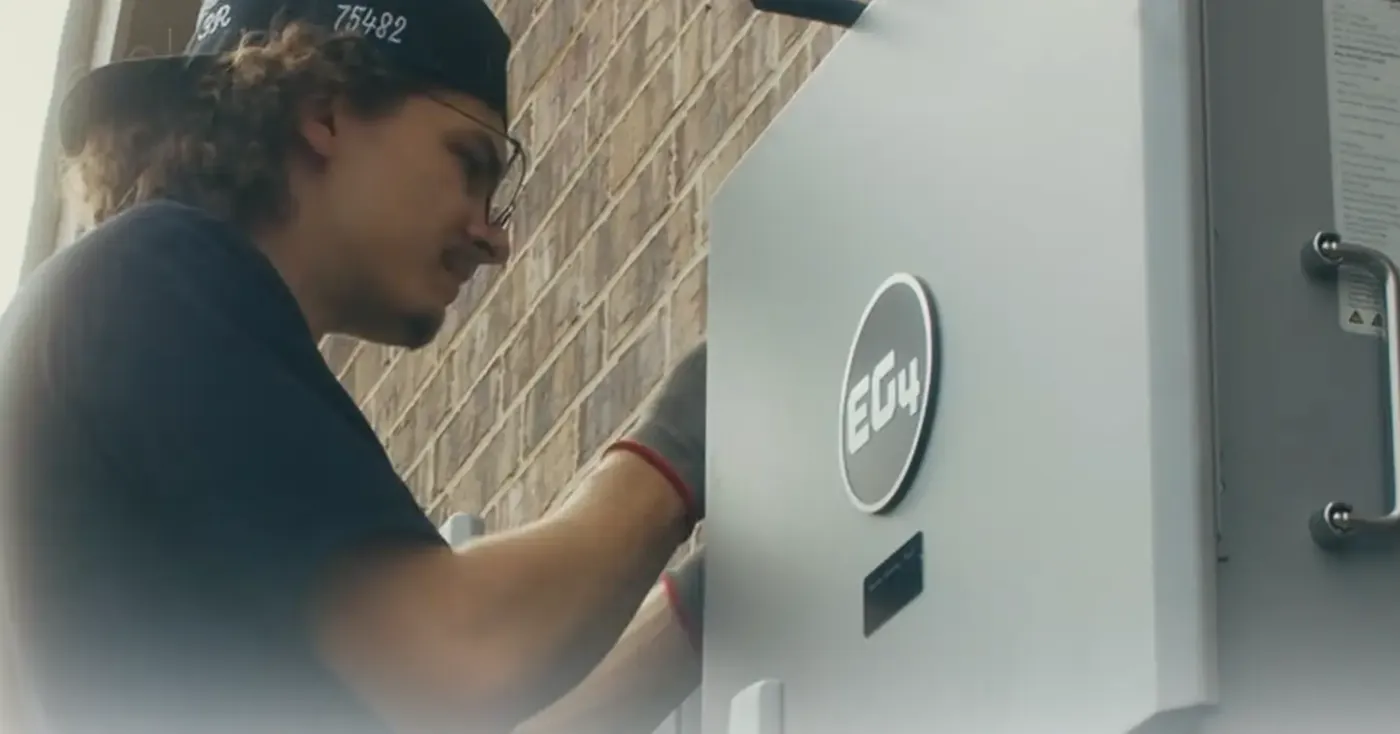
Solar cuts what you buy from BC Hydro. A battery decides when you use it, and keeps the house running when the grid does not.
BC Hydro changed the rules on 1 July 2026, and pushing surplus straight to the grid no longer pays what it used to. A battery changes that arithmetic, and it is the same box that keeps your house running when the power goes out.
Through the day your array powers the house first. Everything left over goes into storage instead of out to the grid at the export rate.
After dark you draw down what you stored rather than buying it back from BC Hydro at the retail rate. The meter barely moves.
Sunrise to sunset, all year round. When the grid drops, that same charge is what keeps the fridge, the heat and the lights running.
Until recently, net metering credited exports at the retail rate. The grid was effectively a free battery and there was little reason to buy a real one. That ended. As of 1 July 2026 the net metering rate, Rate Schedule 1289, is closed to new customers, and new solar customers are enrolled in self generation and net billing, where surplus exported to the grid is credited at a flat 10 cents per kWh.
Meanwhile residential customers pay 11.87 cents per kWh within the Step 1 threshold and 14.08 cents above it, and electricity consumed directly in your home still offsets the full retail cost.
That spread is the whole argument. A kilowatt hour you store at noon and use at 7pm is worth 12 to 14 cents. The same kilowatt hour exported is worth 10 cents. A battery converts low value exports into high value self consumption, and the gap widens if you are on the time of day rate.
Storage captures that difference on every kilowatt hour it holds back from the grid. Under the old one for one net metering a battery bought you nothing financially. Now it does.
The entire house stays live. Nothing gets moved to a separate panel, nothing gets left out, and you do not walk around deciding what you are allowed to plug in. Most of the time you find out the grid is down because a neighbour tells you.
The smaller build. We pull the circuits that actually matter into their own subpanel and back up only those, so the battery you buy is sized to the essentials rather than to the whole house.
A standard grid tied system shuts itself off automatically the moment the grid drops. That is deliberate and it is a safety rule. If it kept generating it would push power back down the line into the crews working to restore it.
A hybrid system is built differently. A transfer switch cuts the grid off at the service entrance, the house stops being part of the grid, and your solar and batteries carry on running it as their own small island. When BC Hydro comes back the switch reconnects and the house goes back to normal.
That switch is the whole difference between a solar system that sits dark through an outage and one that keeps your house running through it.
 True whole home backup
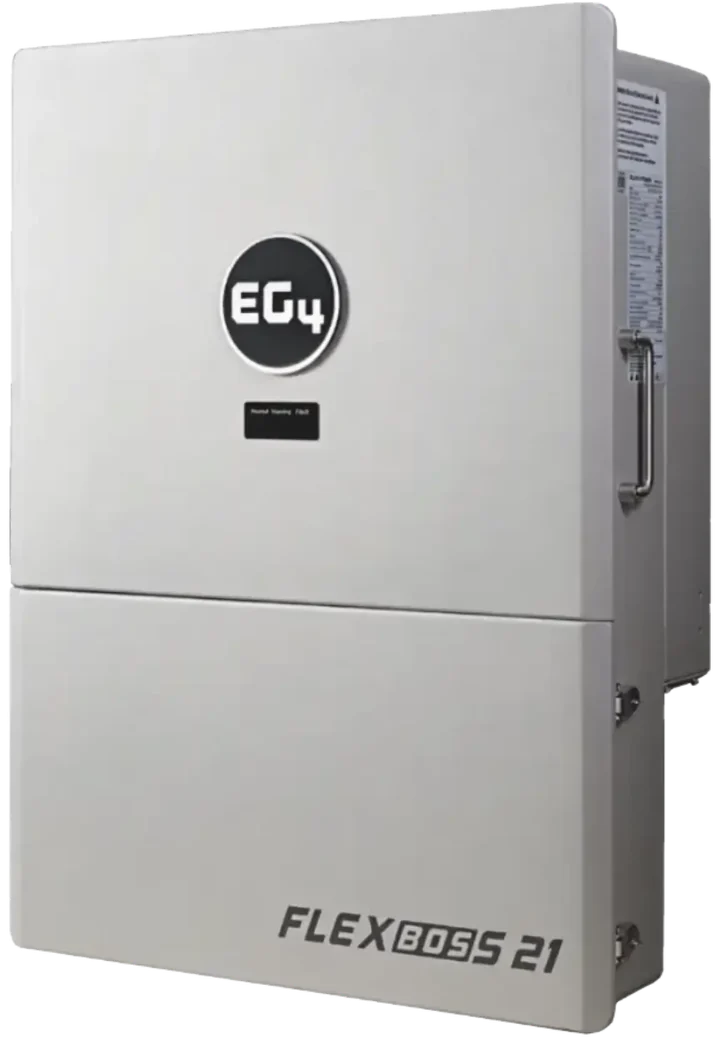
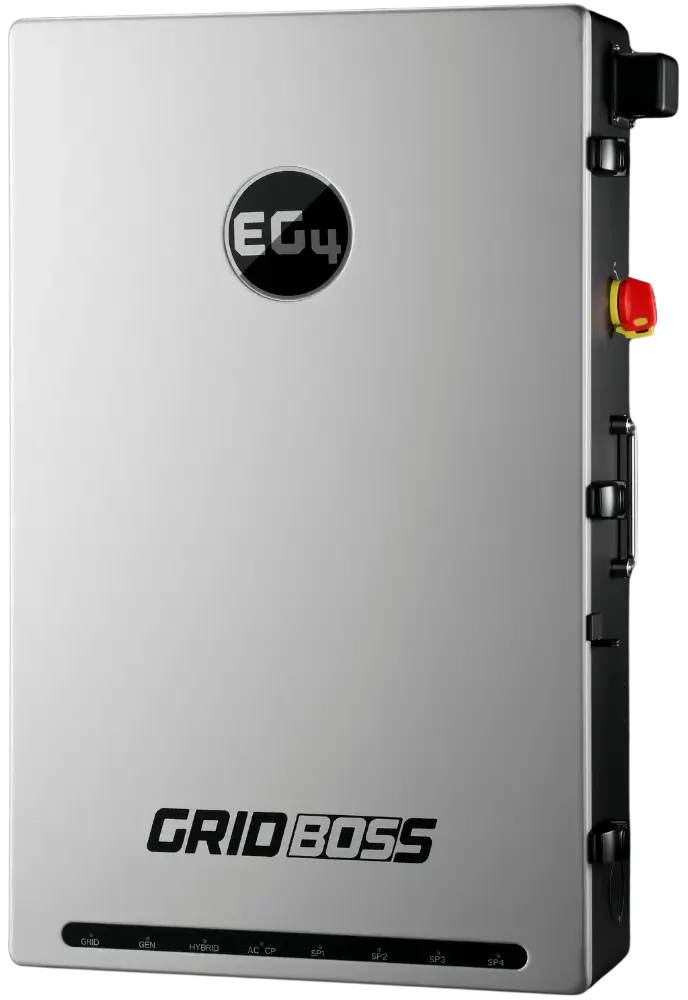
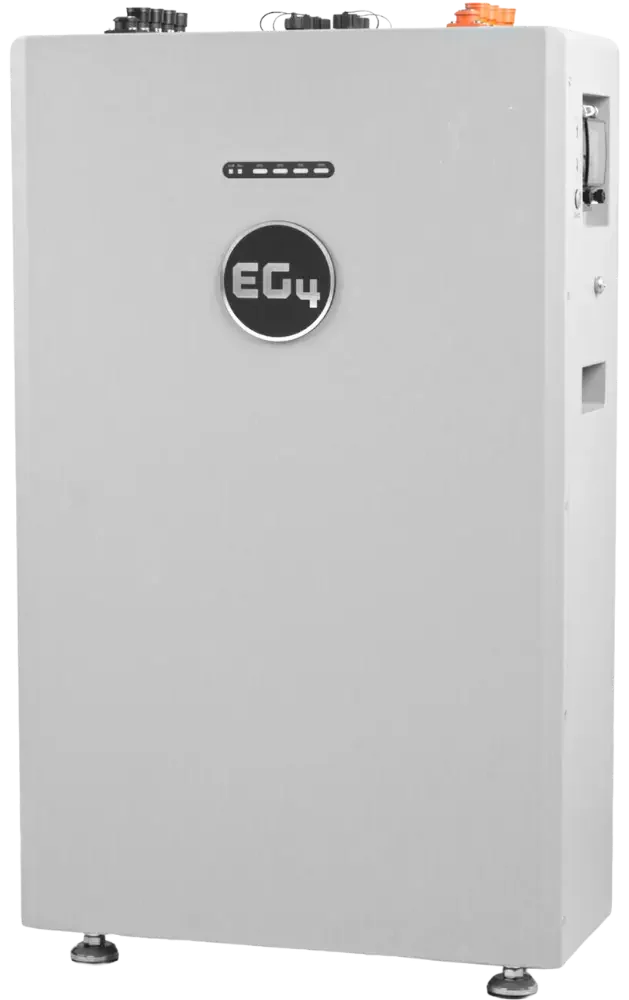
The FlexBOSS21 hybrid inverter, the GridBOSS smart panel and the WallMount all weather battery. GridBOSS is what gives you whole home backup without paying for a whole home battery: it backs up the entire panel, then sheds the EV charger, hot tub and hot water tank automatically during an outage so the storage goes where it matters. It also runs generator auto start for the multi day tail, and shuts the generator down again once the batteries are full.
 All in one home system
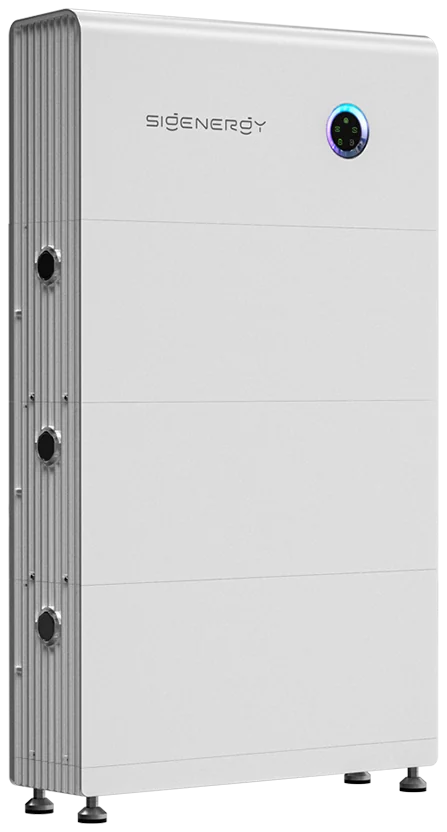
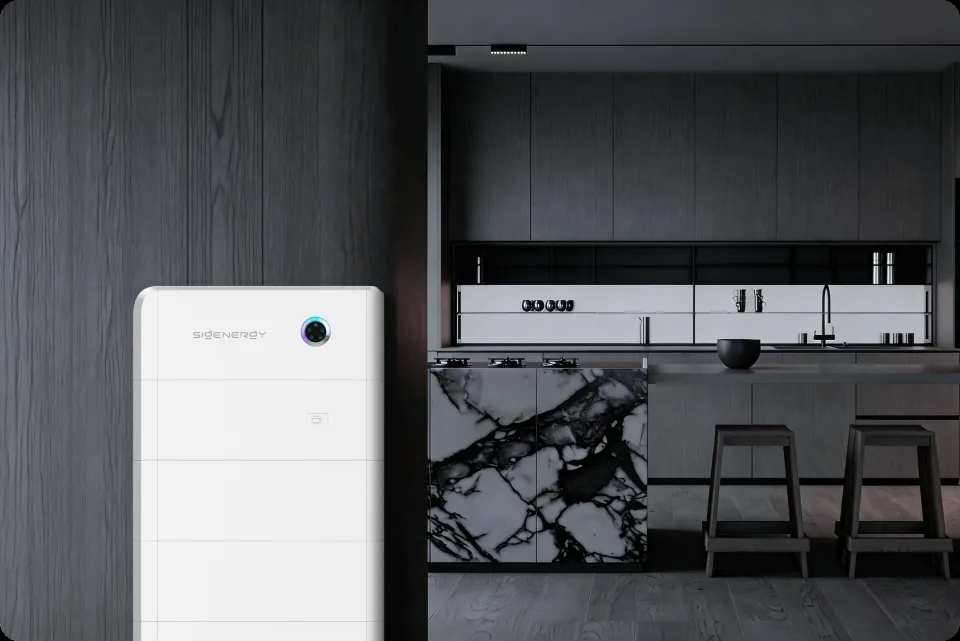
The SigenStor stacks the inverter, the battery, the controller and the EV charging into one cabinet, so the whole system is a single unit against the wall rather than a row of boxes. Capacity is modular: you add battery modules to the stack as your usage grows, or as the budget allows, without replacing what is already there. Everything reports to one app.
Metro Vancouver produces roughly 1,000 kWh per kilowatt of installed capacity a year, which Natural Resources Canada puts between 950 and 1,100. That is below Calgary or Regina but comparable to Germany, which built a solar industry on it, and our cool coastal temperatures keep panels closer to their rated efficiency than hot climates do. The curve is lopsided though. A December day yields under a fifth of a July day, and May through September is roughly 55% of the annual total. The old rate banked summer surplus as winter credit. The new one settles it in the billing cycle at 10 cents, which is exactly why daily self consumption, and storage, is now the design target.
Windstorms routinely take out six figures of customers on the South Coast. A December 2025 windstorm knocked out more than 120,000 across the Lower Mainland, Sunshine Coast, Vancouver Island and the Gulf Islands. BC Hydro attributes part of that to drought weakened vegetation falling onto lines, and storm related outages have been trending up for over a decade.
Step Code and Zero Carbon requirements have pushed heat pumps, induction and heat pump water heaters. There is no gas furnace to limp along on. Add the 2021 heat dome precedent and summer cooling becomes a life safety load rather than a comfort one, and a battery covers a heat pump far more gracefully than a portable generator does.
On a 100A or 200A Vancouver service that already has a heat pump and an EV on it, the same controller that sheds loads during an outage manages them the rest of the time. That can be the difference between needing a service upgrade and not.
The hardware we install is rated for high humidity, heavy rain and the corrosive salt spray of coastal environments, with internal heaters that let the batteries charge through a cold snap and design lives past fifteen years.
Battery projects are sized to the house, the panel and the loads that actually matter to you. The assessment is where that gets worked out, and it is free.
Free Assessment